
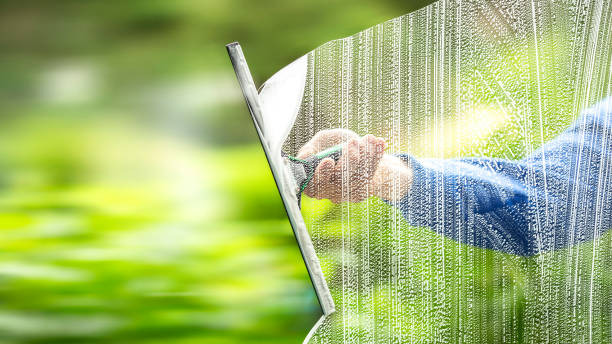
Windows become stained with hard water because this problem continues to affect numerous homeowners. The white chalky marks appear when mineral-rich water evaporates from glass surfaces and leaves behind its deposits. The window stains create a cloudy appearance, but the good news is that they can be removed. You can achieve streak-free window shine through the use of common home materials and essential tools, and the required time for the Window cleaning process.
- Removing Hard Water Buildup: Step-by-Step Window Cleaning Tips
The mineral deposits that are attached to glass create the stains. The best way of doing this is to make sure they are removed safely and efficiently, which includes having the correct tools, Window cleaning solutions, and routine. The most difficult buildup will be addressed through hard work and by using the appropriate method.
Read more:
- Step 1: Identify Hard Water Stains
Search on the glass for white and chalky spots or streaks in the clouds. These deposits are not easily wiped off and remain even after wiping. Early detection prevents permanent etching and makes the Window cleaning-up task less time-consuming and easier.
- Step 2: Prepare Your Window Cleaning Supplies
Preparation of appropriate materials. A well-prepared glass saves time and will not be scratched.
Essential supplies include:
- White vinegar to dissolve mineral deposits.
- Baking soda to scrub soft
- baking soda to scrub tenderly
- Cleaning the microfibers or soft sponges.
A scraper of some kind, such as a plastic or an old credit card, on stubborn spots.
Rinsing bucket of warm water.
- Step 3: Vinegar Application Method
Vinegar is an acidic cleaner that disintegrates mineral deposits. Apply a solution of vinegar to warm water in 1: 1 on the stains. Allow to rest 510 mins, then dry with a microfiber cloth. In difficult areas, apply a vinegar-wetted cloth to the locality and leave it on the area for 30-60 minutes.
- Step 4: Baking Soda Scrub in difficult places
Baking soda is a weak abrasive that will be ideal for the tough stains. Combine it with water in a paste and apply it over the affected area, and rub using a soft cloth. Rinse thoroughly afterward. This technique is effective with vinegar and eliminates residues that remain.
- Step 5: Working with a Plastic Scraper Safely
Thick mineral deposits can be removed with the help of a plastic scraper or an old credit card, and do not scratch the glass. Use it carefully.
Tips for safe scraping:
- Scrape lightly and do not scratch.
- Metal should not be used on glass.
- Control the work done at a time.
- Move slowly and carefully.
- Serve it with vinegar or baking soda when necessary.
- Step 6: Routine Soap and Water Maintenance
Store up Keep off by cleaning. Add warm water to mild dish soap and wipe the surface with a sponge or cloth, rinse, and then dry it with a microfiber towel. Unity reduces the need for deep cleaning in the future.
- Step 7: Squeegee Technique for Prevention
You can wipe off water on the surface of a surface using a squeegee after cleaning or after it has rained. It maintains glass-free and minimises mineral deposits.
Benefits of using a squeegee:
- Rapidly removes freestanding water.
- Streaks and cloudy residue are prevented.
- Reduces the deposition of hard water.
- Future cleaning is made easier.
- Step 8: Apply Water-Repellent Coatings
Waterproof sprays create a protective layer, which decelerates the formation of the mineral. The advantages are:
- Easier future cleaning
- Long-lasting shine
- Less frequent scrubbing
The application of these coatings onto exterior window surfaces creates two benefits because they preserve the window’s appearance and prevent permanent stains from developing.
- Conclusion
To remove hard water stains, it is possible to use vinegar and baking soda, scraping and frequent maintenance. The extra precautions, such as squeegeeing and using water-resistant surfaces, make the glass clean and without smears. Regular attention enhances the appearance of your house and increases the longevity of your windows to allow the sunshine to shine uninterrupted. Nothing is difficult to deposit, but with time, it can be cleared.
- FAQs
What is the way to take away hard water marks on windows?
Apply a vinegar and water solution, rub it, and then rinse thoroughly.
Does the use of baking soda to clean stains of hard water work?
Yes, baking soda is a mild abrasive that removes the tenacious mineral deposits.
Can one use a scraper on glass windows?
Yes, however, it is best to use a plastic scraper or an old credit card so as not leave scratches.
What can be done to remove the hard water from windows?
Clean windows with a squeegee and wipe using soapy water and water repelling coats regularly.
Will vinegar damage my window frames?
Vinegar is not harmful to glass, but do not have long contact with wooden or metallic frames.